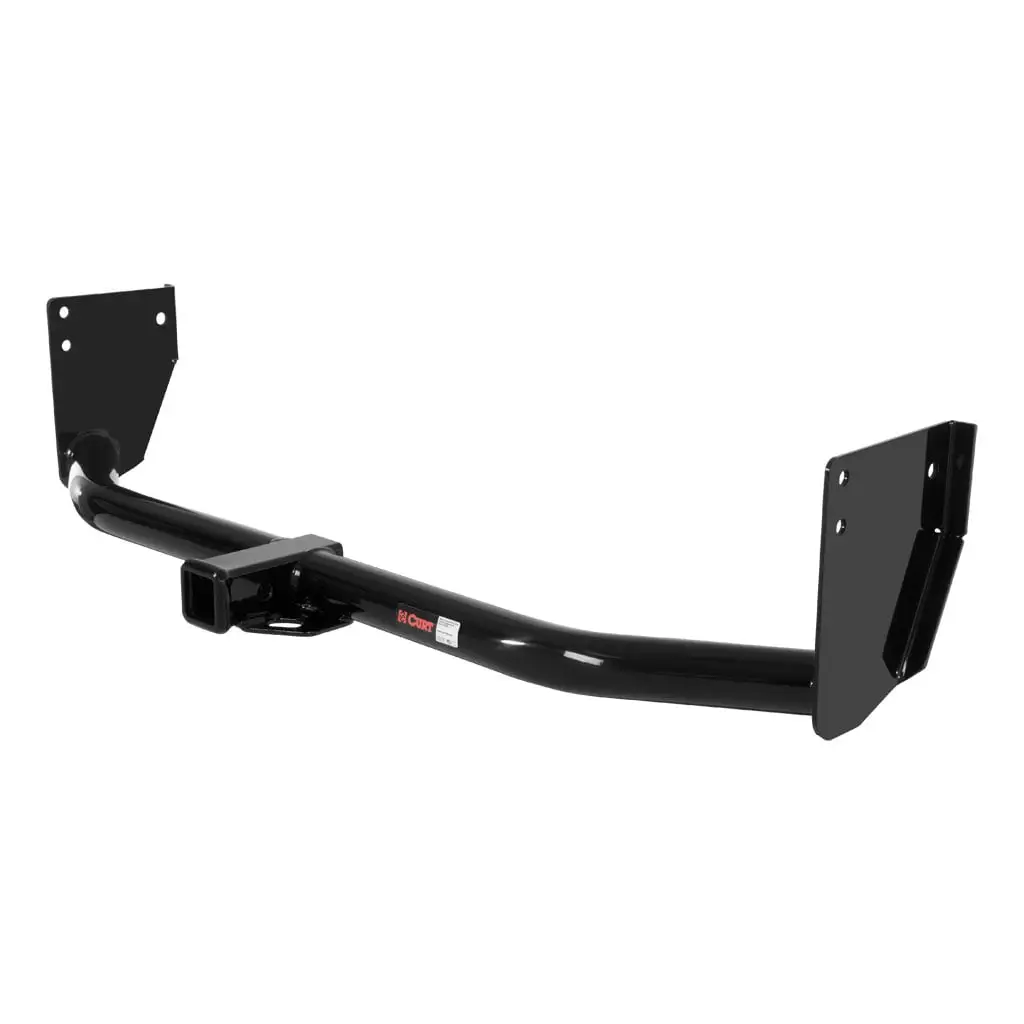
Towing a trailer, boat, or camper starts with the right hitch setup, not just any hitch bolted onto your vehicle. Getting it right keeps you, your passengers, and everyone else on the road safer. Here is what to know before you tow.
Know Your Hitch Class
Hitches are grouped into classes based on how much weight they can handle. Class I hitches are built for light loads like small utility trailers or bike racks. Class II handles a bit more, often used for small campers or personal watercraft.
Class III is the most common choice for trucks and SUVs towing boats, larger trailers, or campers. Class IV and V hitches are built for heavier duty towing, the kind you see with commercial trailers or large equipment.
- Class I and II: bike racks, small utility trailers, personal watercraft
- Class III: boats, campers, and mid-size trailers
- Class IV and V: heavy duty trailers and commercial equipment
Picking the right class starts with knowing what you plan to tow now and what you might tow down the road.
Receiver Sizes Explained
The receiver is the square tube on the hitch that accepts your ball mount or accessory. Common sizes are 1 1/4 inch and 2 inch, with larger 2 1/2 inch receivers used for heavier duty setups.
A smaller receiver limits how much weight you can safely tow, even if the rest of your hitch is rated higher. Matching the receiver size to your towing needs now avoids headaches later when you want to upgrade equipment or tow something bigger.
4-Pin versus 7-Pin Wiring
Your trailer wiring connects your vehicle’s lights and brakes to the trailer. A 4-pin connector handles basic functions like taillights, brake lights, and turn signals, and works fine for small utility trailers.
A 7-pin connector adds circuits for electric trailer brakes, a backup light, and a charge line for the trailer battery. If you are towing anything with its own brakes, like a camper or a larger boat trailer, you will need 7-pin wiring.
Our team installs both 4-pin and 7-pin setups, matched to what your trailer actually needs. Learn more about our hitch installation services.
Tongue Weight Matters
Tongue weight is the downward force the trailer puts on the hitch ball. Too little tongue weight and the trailer can sway at highway speeds. Too much and you risk overloading the rear axle or squatting the back of your vehicle.
A good rule of thumb is keeping tongue weight between 10 and 15 percent of the total trailer weight, though you should always check your specific hitch and vehicle ratings before loading up.
Check Your Owner’s Manual
Every vehicle has its own towing capacity, and it is not something to guess at. Your owner’s manual lists the maximum trailer weight, tongue weight, and any special equipment needed for towing, like a transmission cooler or upgraded mirrors.
Take a few minutes to read that section before you shop for a hitch or plan a trip. It is the most reliable source for what your specific vehicle can safely handle, and it will save you from surprises once you are loaded up and on the road.
How DAS Auto Parts White Plains Can Help
We install hitches for most vehicles, including the wiring to match, from a straightforward 4-pin setup to a full 7-pin connection for a camper. Stop by and talk through what you are towing, and we will help you land on the right hitch, receiver size, and wiring for the job.
If you have questions about your specific vehicle or trailer, give us a call at 914-946-4880 or stop in at 201 Tarrytown Road in White Plains. You can also reach out through our contact page.